Roofs Built for Decades of Weather
Roofing in Victoria for properties with leak damage, missing shingles, or systems nearing the end of their service life
A roof failure shows up as water stains spreading across ceilings, damp insulation in the attic, or shingles scattered across the yard after a storm. RLS Construction Remodel and Design handles roofing repairs and replacement in Victoria, addressing both immediate leak emergencies and full system replacements for structures where age and weather exposure have compromised waterproofing integrity. The service area experiences intense UV exposure, high humidity, and periodic tropical storm activity that accelerate asphalt shingle deterioration and fastener corrosion.
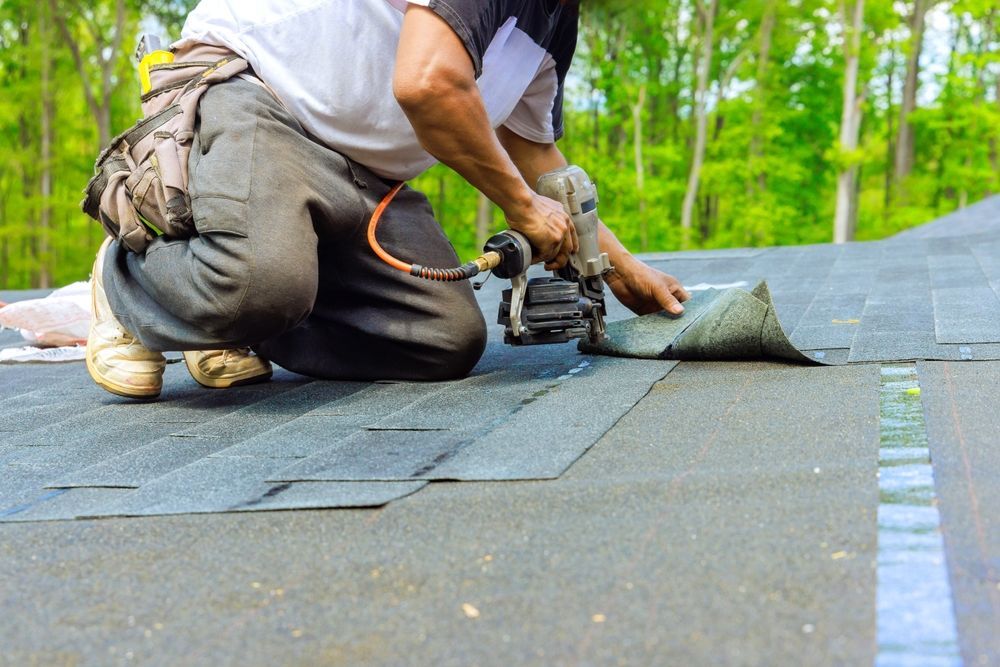
Roofing work involves removing damaged materials, inspecting the underlying decking for rot or structural weakness, installing new underlayment and flashing systems, and applying a weather-resistant surface layer appropriate for the building type and slope. Repairs target isolated damage such as punctures, missing shingles, or failed vent boots, while replacement addresses systemic failure across the entire roof plane when granule loss and curling indicate the existing materials can no longer shed water effectively.
Arrange an on-site inspection to evaluate current roof condition and determine whether targeted repairs or full replacement best addresses your property's waterproofing needs.
Edna, TX
77957
- Mon - Fri
- -
- Saturday
- Appointment Only
- Sunday
- Closed
How Roofing Addresses Structural Water Intrusion
he process starts with a thorough deck inspection after old roofing materials are removed, checking for soft spots, nail pops, and delamination that signal moisture damage to the sheathing. New underlayment creates a secondary water barrier, while metal drip edge and step flashing direct water away from vulnerable joints where the roof meets walls, chimneys, or penetrations. Shingle application follows manufacturer nailing patterns to withstand wind uplift, with starter strips along eaves and ridge vents installed to promote attic airflow that reduces heat buildup.
After roofing work is complete, you notice that ceilings remain dry during heavy rain, attic temperatures drop due to improved ventilation, and no water pools along eaves or valleys where ice dams or debris previously caused backflow. The roof sheds water efficiently across all slopes, gutters receive consistent runoff without overflow at corners, and fasteners remain sealed against wind-driven rain. These changes indicate that the waterproofing system functions as designed across all weather conditions typical to Victoria.
Roofing projects also include cleanup of debris, magnetic sweeps to collect loose nails, and documentation of materials installed for warranty activation. Some properties require additional decking replacement, rafter reinforcement, or chimney flashing rebuilds depending on what the deck inspection reveals, which affects total project cost but prevents future failure points from being covered over without correction.
Answers to Frequent Service Questions
Property owners typically have questions about timing, material selection, and what the replacement process involves before roofing work begins.
What happens during the roof inspection?
The inspection involves walking the roof surface to check shingle condition and fastener security, examining attic spaces for signs of moisture intrusion or inadequate ventilation, inspecting flashing around penetrations, and measuring slope to determine appropriate material options.
How do you decide between repair and full replacement?
Replacement is recommended when more than thirty percent of the roof shows wear, when shingles have lost protective granules across multiple sections, or when the existing system has reached the manufacturer's expected lifespan and isolated repairs would only delay inevitable failure.
What roofing materials perform best in Victoria's climate?
Asphalt shingles with high wind ratings and UV-resistant granules handle the combination of Gulf Coast humidity and sun exposure, while metal roofing offers longer service life and superior wind resistance for properties in storm-prone areas near the coast.
When is the best time to schedule roofing work?
Fall and winter months provide cooler temperatures and lower humidity that improve sealant adhesion and worker safety, though emergency repairs after storm damage proceed regardless of season to prevent further water intrusion.
What does the replacement process involve for occupied buildings?
Work includes protecting landscaping and entry areas with tarps, removing old materials in sections to minimize exposure time, completing installation zone by zone to maintain weather protection, and conducting daily cleanup to keep the property accessible throughout the project.
RLS Construction Remodel and Design provides detailed assessments that identify whether your roof requires isolated repairs or full replacement based on current material condition and remaining service life. Contact our office to schedule an inspection and receive a scope of work tailored to your property's specific roofing needs.